Natural light in custom homes depends on thoughtful architectural design and close coordination between the builder, designer, and homeowner. Key decisions during the design phase include site orientation, window placement, ceiling height, and interior layout. These elements help a home capture daylight more effectively and maintain consistent brightness across primary living spaces.
Why Natural Light Matters in Custom Home Design
Natural light improves both the appearance and performance of a home. Rooms filled with daylight feel larger, more comfortable, and more connected to the outdoors. It also reduces the need for artificial lighting during the day, which can help lower energy costs.
When designing custom homes, we look at how light moves through the home during different times of day. The goal is to distribute daylight evenly across main living areas while avoiding glare or excessive heat gain.
Benefits homeowners often notice include:
- Brighter living spaces throughout the day
- Reduced reliance on overhead lighting
- Improved indoor comfort and visibility
- Stronger connection to outdoor views
Key Takeaway: Homes designed with intentional daylight strategies tend to feel more spacious and comfortable than homes where lighting is considered later in the design process.
Site Planning and Orientation for Natural Light in Custom Homes
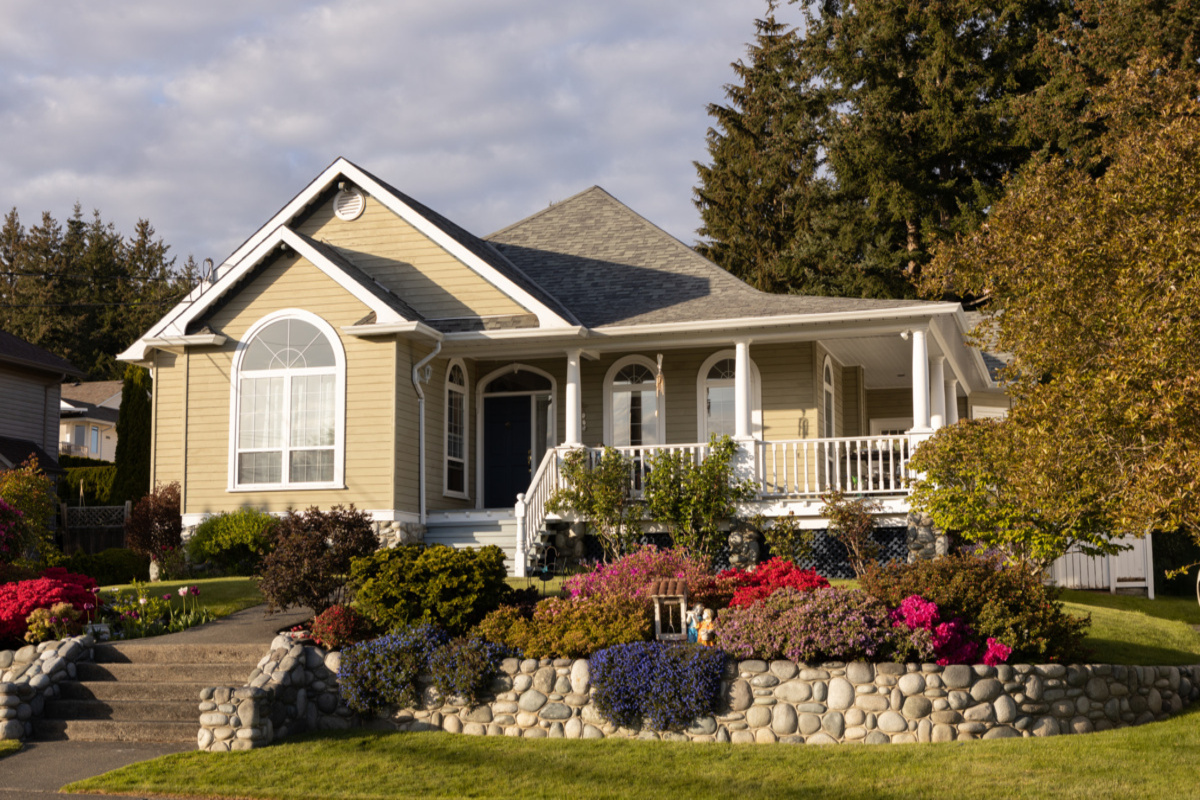
Maximizing daylight starts with the way the home sits on the lot. Site orientation plays a major role in determining how much sunlight reaches different rooms.
Understanding Sun Path and Seasonal Light
The sun’s position changes throughout the day and across seasons. During the design phase, we evaluate:
- Morning sunlight exposure
- Afternoon sun angles
- Seasonal daylight patterns
This helps determine where to place living spaces, bedrooms, and outdoor areas.
Positioning the Home on the Lot
Strategic home placement allows us to capture natural light where it matters most.
Common strategies include:
- Positioning living rooms and kitchens toward southern exposure
- Using shaded areas for garages and utility spaces
- Designing outdoor living areas that receive comfortable sunlight
Careful orientation helps maintain bright interiors without overheating rooms during the summer months.
Window Design Strategies That Maximize Natural Light
Windows are one of the most effective tools for bringing daylight into a home. In custom home design, we evaluate both the size and placement of windows to balance light, privacy, and energy efficiency.
Choosing the Right Window Sizes and Layout
Window-to-wall ratios play a key role in daylight performance. Too few windows limit brightness, while too many can reduce efficiency.
Our team often recommends:
- Larger windows in primary living areas
- Taller windows that allow light deeper into the room
- Window groupings that create consistent daylight patterns
Strategic Window Placement by Room
Different rooms benefit from different window strategies.
Examples include:
- Living rooms: large windows facing open views
- Kitchens: windows placed above sinks or prep areas
- Hallways: smaller windows that bring light into transitional spaces
Using Larger Window Systems
Many homeowners choose expansive window systems that maximize views and daylight.
Popular options include:
- Picture windows
- Floor-to-ceiling windows
- Multi-panel window walls
These designs help create bright interior spaces while framing outdoor scenery.
Pro Tip: When selecting windows, consider both daylight performance and energy efficiency. High-performance glazing allows plenty of light while helping control indoor temperatures.
Need expert help planning your custom home design? Contact Vaughan Home Builders for a consultation and explore how we design homes that maximize daylight and comfort.
Architectural Features That Bring More Light Into the Home
Beyond windows, architectural elements can help daylight travel deeper into interior spaces.
Vaulted and Elevated Ceilings
Higher ceilings allow light to spread across a larger area. Vaulted ceilings also create opportunities for taller windows or clerestory windows.
Dormers and Roof Design
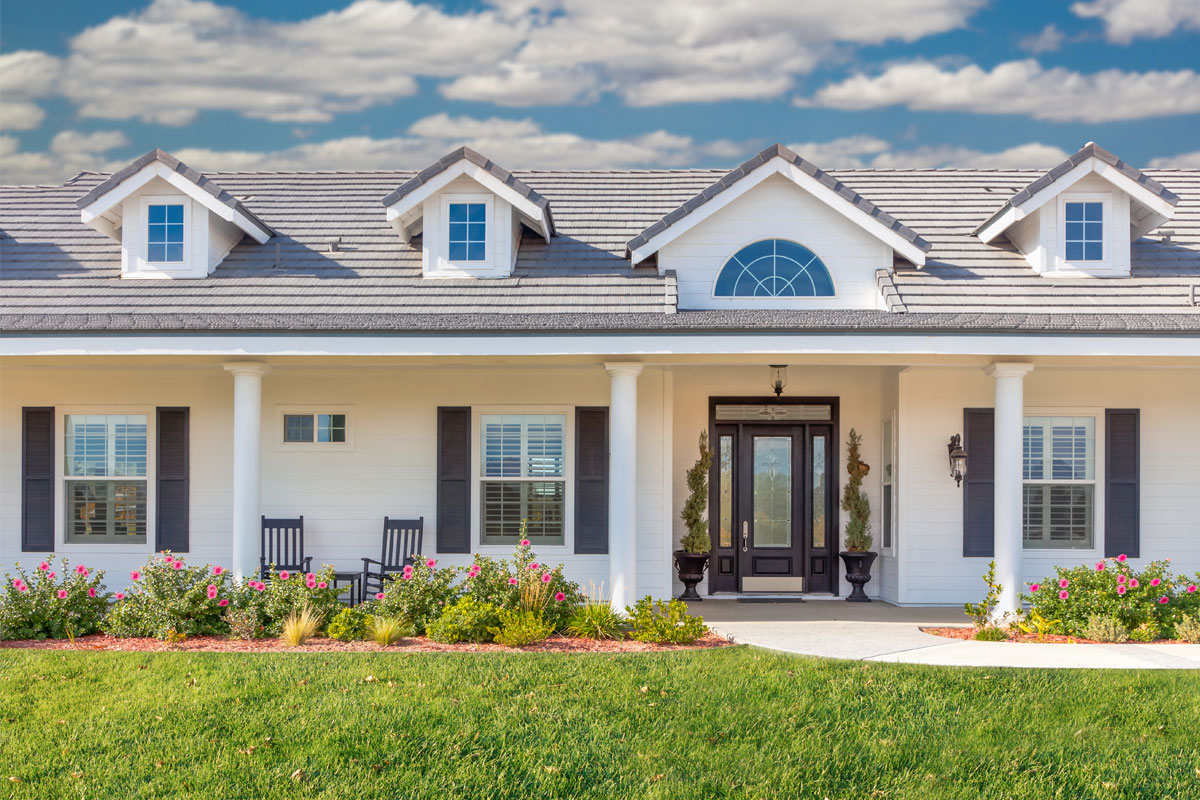
Dormers are an excellent way to introduce daylight into upper floors or attic spaces. They bring sunlight through the roofline while adding architectural character.
Skylights and Clerestory Windows
Skylights and clerestory windows are useful for rooms with limited exterior wall space.
These features help brighten:
- Bathrooms
- Hallways
- Interior living spaces
They also improve overall daylight distribution throughout the home.
Interior Layouts That Help Natural Light Travel Through the Home
Even with well-designed windows, interior layouts must support light movement throughout the home.
Open Floor Plans and Sightlines
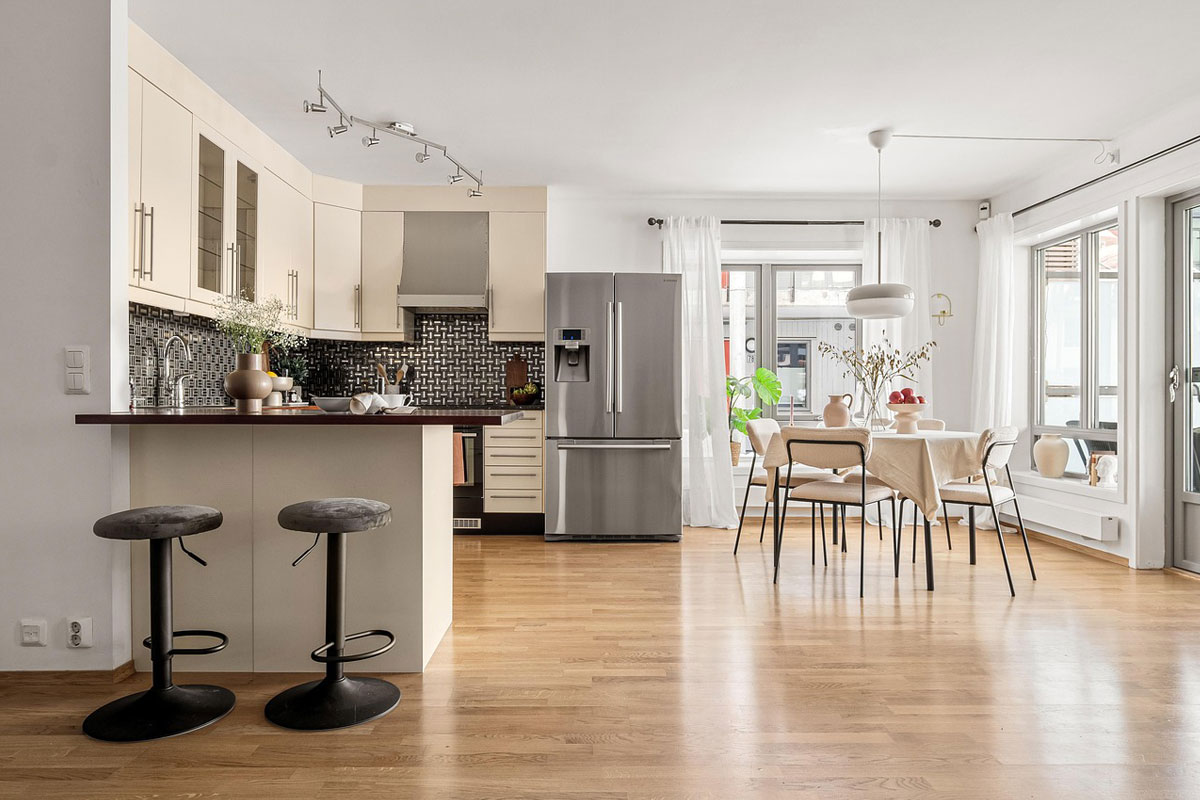
Open layouts allow daylight to travel farther into the interior. Fewer walls mean fewer barriers blocking natural light.
Glass Doors and Interior Windows
Interior glass features can help share daylight between rooms.
Examples include:
- Glass-paneled doors
- Interior transom windows
- Sliding glass partitions
Multi-Purpose Living Spaces
Designing flexible spaces also helps maintain brighter interiors. Multi-purpose rooms often benefit from shared daylight from adjacent areas.
Key Takeaway: Layout design is just as important as window placement when planning a home filled with daylight.
Energy-Efficient Windows That Improve Daylighting
Modern window technology allows homeowners to enjoy bright interiors without sacrificing energy efficiency.
High-Performance Window Glass
Advanced glazing options help control temperature and protect interiors from UV exposure.
Common features include:
- Low-E glass coatings
- Insulated window systems
- UV protection layers
Balancing Light and Energy Efficiency
Our team works with homeowners to select windows that allow strong daylight performance while maintaining indoor comfort year-round.
Smart Technology That Enhances Natural Light
Technology can help homeowners manage daylight throughout the day.
Smart Lighting Solutions
Smart lighting systems adjust artificial lighting levels to complement daylight. This creates a consistent lighting experience as natural light changes.
Advanced Glazing Technologies
Some modern window systems automatically adjust tint levels to reduce glare or heat gain.
These technologies help maintain comfort while keeping rooms bright and usable.
Pro Tip: Automated window shades are a simple way to control glare while maintaining natural daylight.
Build a Custom Home Designed Around Natural Light
Natural light plays a central role in how comfortable and functional a home feels. The most effective results come from planning daylight strategies early in the custom home design process.
If you are planning a new home, our team can help you design spaces that feel open, comfortable, and efficient. Contact Vaughan Home Builders to start designing a home that maximizes natural light in custom homes.